Spending Boundaries
Choose a fixed entertainment budget beforehand and do not increase it mid-session.
 Register
Responsible gaming on 200SR means keeping online play within personal limits and treating it only as optional entertainment. This guide helps adult users in the Philippines plan spending, manage session time, understand promotion pressure, protect their accounts, notice harmful patterns, and choose a break when needed.
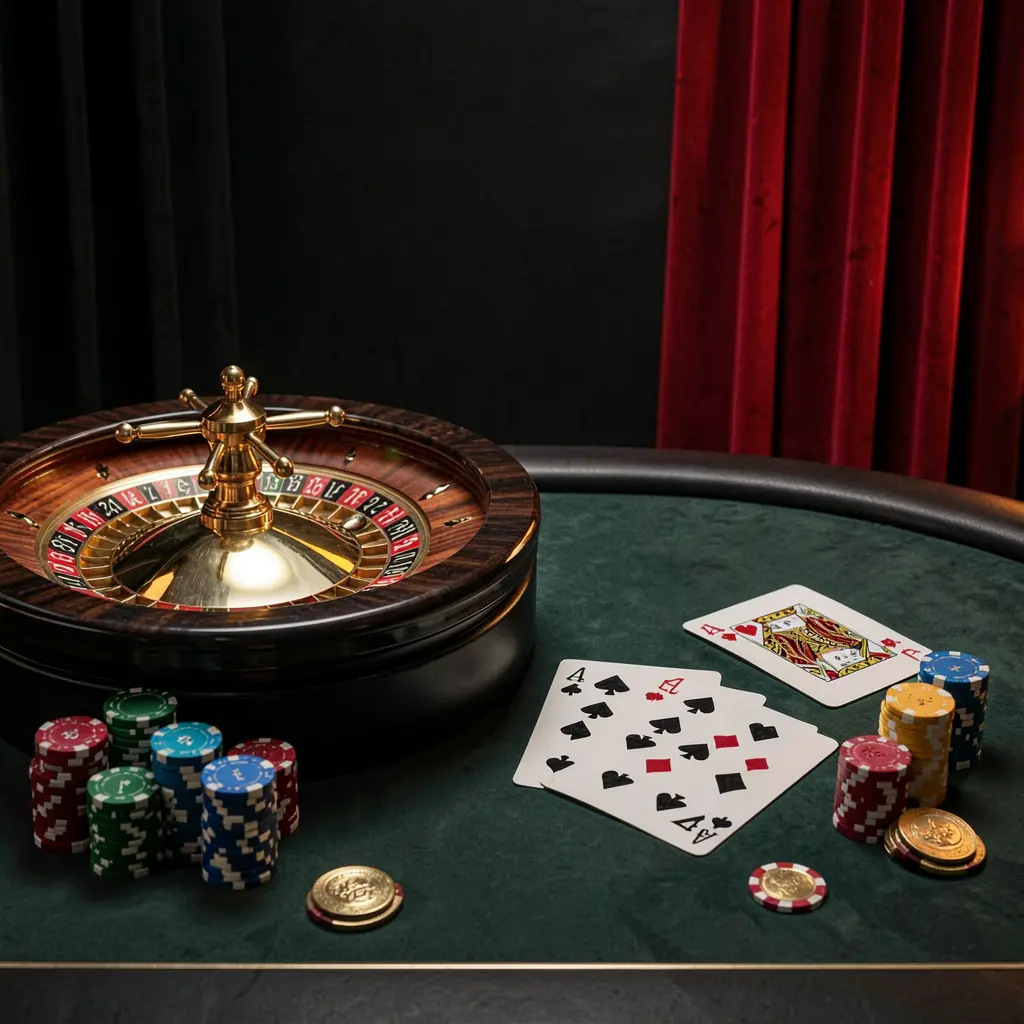
Before using 200SR, set an amount that is affordable to lose and a time when the session will end. Keep gaming money separate from household costs, food, transport, school needs, savings, loans, and other essential responsibilities.
Online gaming outcomes are uncertain, so a recent loss should never become a reason to spend more. A clear plan helps users avoid emotional decisions, repeated deposits, and sessions that continue beyond what they originally intended.
Users in the Philippines should also consider the rules that apply in their own location. Website access does not confirm that every gaming-related activity is permitted, so it is sensible to check applicable local requirements before participating.
Responsible use means being honest about why you are playing. If the purpose is to cover debt, relieve stress, or recover money, pause before continuing. Entertainment should remain optional and should not create financial or personal pressure.
Choose a fixed entertainment budget beforehand and do not increase it mid-session.
Set an alarm before starting and leave when the planned time ends.
Do not try to recover earlier losses through extra deposits or longer play.
Read offer conditions carefully and skip promotions that change your original plan.
Keep passwords and verification codes private, especially on shared mobile devices.
A simple routine can make it easier to keep decisions calm and deliberate. Plan the session before opening 200SR, then review whether the activity stayed within the limits you set.
Only play when you feel calm, alert, and able to stop. Avoid logging in when upset, exhausted, intoxicated, or under financial pressure.
Choose an amount that will not affect essential expenses. Once that amount is used, do not top up again during the same session.
Check deadlines, wagering requirements, eligible activities, restrictions, and any withdrawal conditions before deciding whether an offer suits your limits.
Review your time and spending against the original plan. Take a break if you ignored limits or felt unable to stop.
A responsible approach includes noticing changes early. Gaming may need to stop when it causes stress, arguments, sleep problems, missed responsibilities, or concern about money. Taking a break is a practical protective decision.
If one or more answers raise concern, stop the session and avoid making another deposit. Consider discussing the situation with someone you trust, especially if gaming is affecting finances, relationships, or daily wellbeing.
Repeated warning signs may mean that stronger boundaries are needed. Where available, consider account limits, cooling-off periods, self-exclusion, or account closure, and seek specialist gambling or financial support when appropriate.
Regular breaks help keep online play from becoming automatic. Use device reminders, log out after a session, and avoid keeping gaming pages open throughout the day. Time away gives you space to review choices without immediate pressure.
Protecting account access is another part of responsible gaming. Use a unique strong password, do not share login details or one-time codes, and be cautious with messages requesting account or wallet information outside official support channels.
200SR should not be used as a source of income or a solution to money difficulties. If gambling-style activity causes distress or loss of control, stop participating and reach out to a trusted person or qualified support service.
Answers to common questions about personal limits, promotions, warning signs, breaks, and safer account habits on 200SR.
Responsible gaming means treating 200SR as optional adult entertainment, setting a budget and time limit before play, avoiding loss chasing, protecting account details, and stopping when activity becomes stressful or difficult to control.
Choose an amount that you can afford to lose without affecting food, housing, bills, transport, debt payments, savings, education, or family responsibilities. Set it before the session and do not add more after reaching it.
Take a break if you exceed your limits, chase losses, make repeated deposits, hide activity, borrow money, neglect responsibilities, or feel anxious, angry, guilty, or unable to stop.
No. Promotions are optional and may include conditions. Read the rules before claiming an offer, and decline it if it requires more spending or time than your original plan allows.
No. Gaming outcomes are uncertain and losses can occur. It should never be used to repay debt, cover living costs, replace income, or address financial stress.